

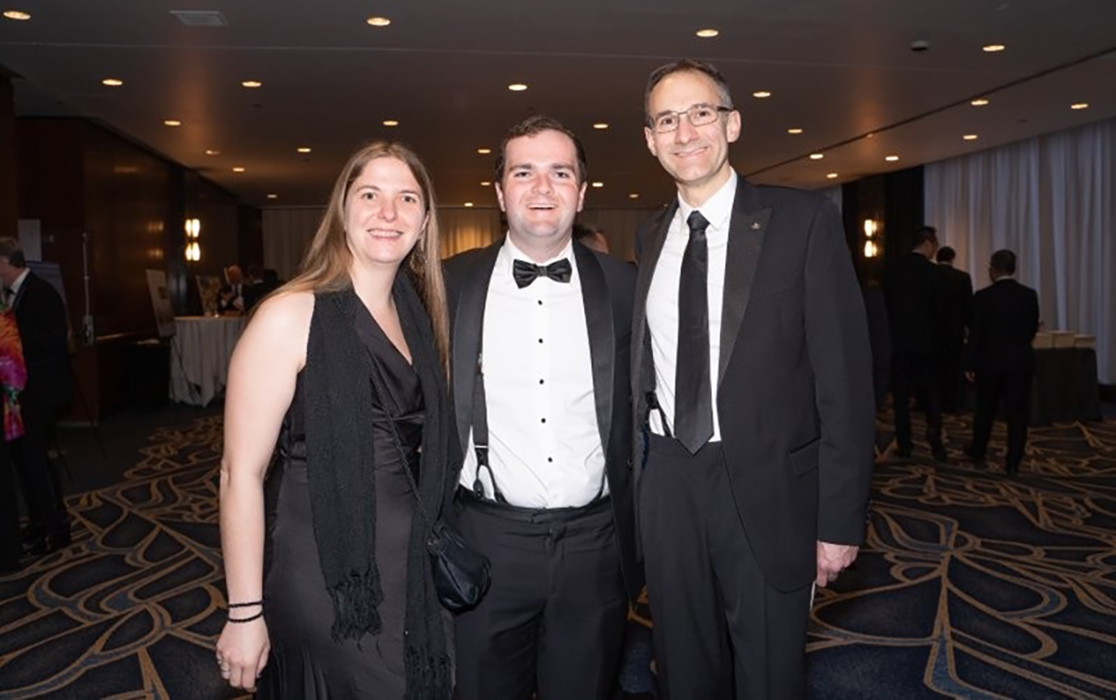
D&B Engineers and Architects was recognized for two major water supply infrastructure projects at the American Council of Engineering Companies of New York (ACEC NY) 59th Annual Engineering Excellence Awards (EEA) Gala, held April 18, 2026 at the Midtown Hilton in New York City.
A leading engineering and architectural consulting organization specializing in water, wastewater, hazardous waste, architecture, solid waste, civil and environmental engineering, and construction management, D&B received the following honors:
 2026 ACEC New York Platinum Award in Category G: Water Resources for 1,4-Dioxane and PFOA Treatment at Kirby Lane Wells 25 & 26 on behalf of Jericho Water District. This project was one of the nation’s first full-scale applications of Advanced Oxidation Process (AOP) technology for potable water treatment. It integrated with the existing packed tower aeration system (PTAS) and was supported by Granular Activated Carbon (GAC) vessels to quench residual hydrogen peroxide and adsorb PFAS compounds.
- 2026 ACEC New York Silver Award in Category G: Water Resources for Treatment of 1,4-Dioxane, PFOA and PFOS at Christopher Morley Park Wells 8, 9 & 11 Facility on behalf of Port Washington Water District. This project involved implementing a complex, state-of-the-art Advanced Oxidation Process (AOP) system to remove 1,4 dioxane paired with Granular Activated Carbon (GAC) vessels for PFAS treatment.
 “We are proud to have two of our projects recognized at this year’s Engineering Excellence Awards,” said Bill Merklin, P.E., President and CEO of D&B Engineers and Architects. “These honors reflect the dedication, technical expertise, and collaborative efforts of our team, as well as our commitment to delivering innovative solutions that protect public health and strengthen community infrastructure.”
The Kirby Lane Wells 25 & 26 project represents one of the nation’s first full-scale implementations of Advanced Oxidation Process (AOP) technology for potable water treatment, successfully reducing 1,4-dioxane to nondetectable levels while integrating with existing treatment systems and enhancing overall resiliency.
The Christopher Morley Park facility incorporates a state-of-the-art AOP and granular activated carbon (GAC) treatment system to address multiple emerging contaminants, providing a sustainable and reliable water supply for the Port Washington community while blending seamlessly into the surrounding park environment.
The Engineering Excellence Awards recognize projects that demonstrate innovation, complexity, and value to society across a wide range of engineering disciplines. Each year, projects are evaluated by a distinguished panel of industry experts, including government officials, academic leaders, and engineering professionals. Proceeds from the event support the ACEC New York Scholarship Fund, which awards scholarships to engineering students across New York State.
About ACEC New York: ACEC New York is a proactive coalition of nearly 300 firms representing the leading engineering firms in the United States, including every discipline of engineering related to the built environment—civil, structural, mechanical, electrical, environmental, geotechnical—and affiliated companies. With more than 33,000 employees represented by our member firms, our shared goals are to further the business interests of our membership, enhance the quality and safety of the environment we live and work in, and help ensure the vitality of our communities. For more information, visit www.acecny.org.
# # #
1,4-Dioxane and PFOA Treatment at Kirby Lane Wells 25 & 26 in Muttontown, New York for Jericho Water District
In response to New York State’s first-in-the-nation drinking water standards for 1,4-dioxane and PFAS, Jericho Water District (JWD) required a firm to design, permit, and oversee construction of critical upgrades at its Kirby Lane facility. Testing revealed elevated concentrations of these emerging contaminants in two wells, requiring an innovative treatment approach to protect public health and preserve a major portion of JWD’s water supply.
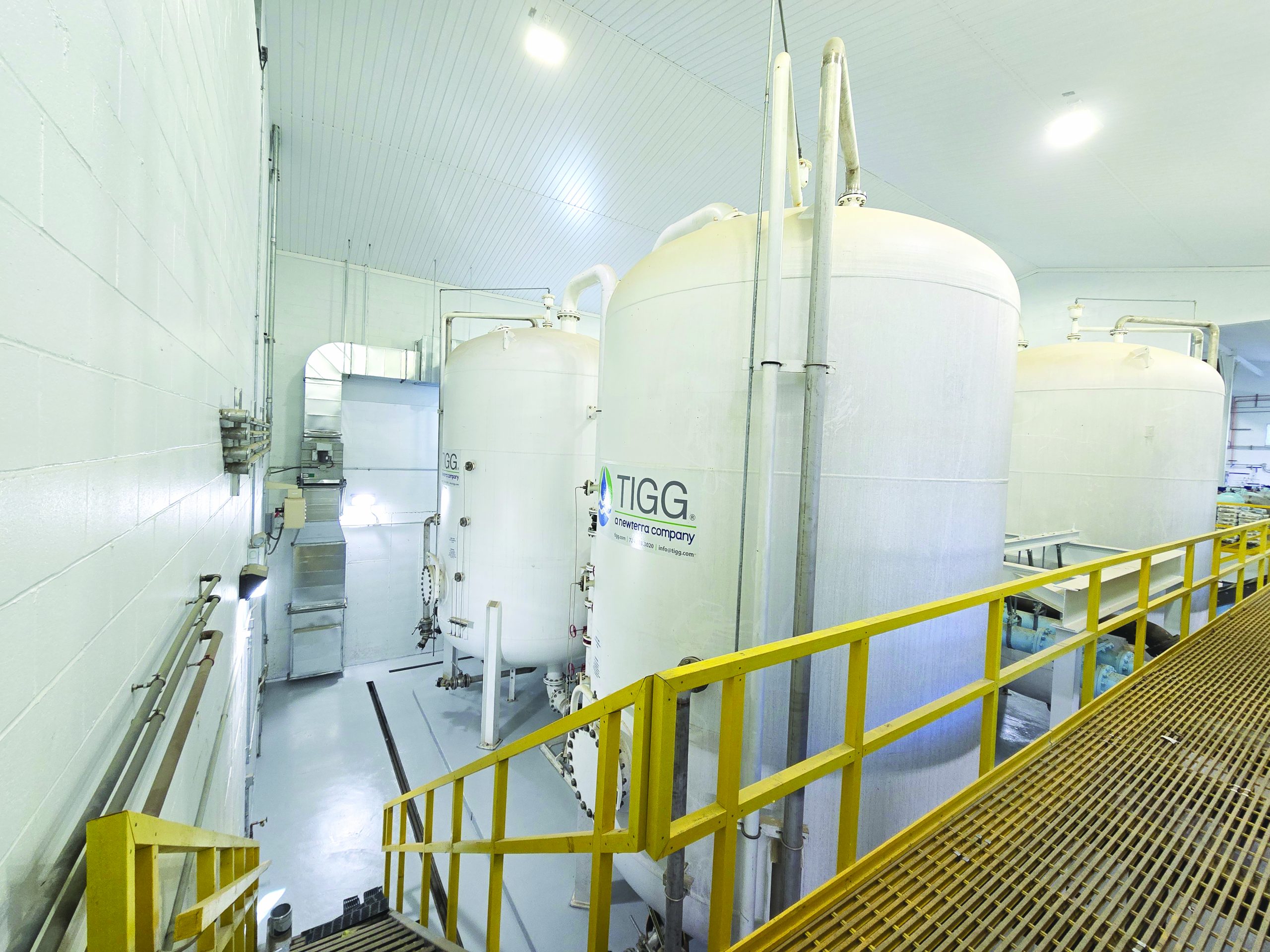
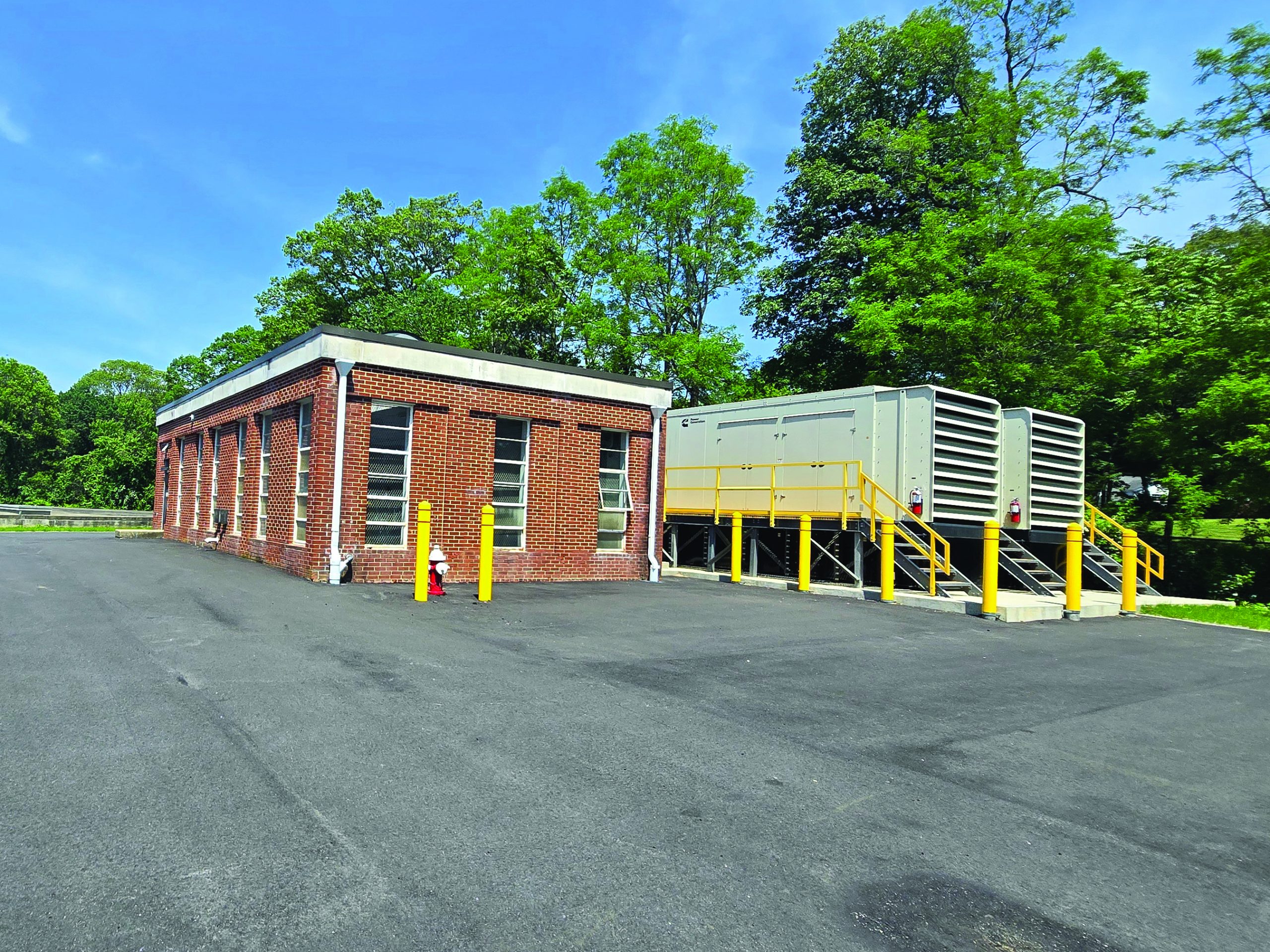
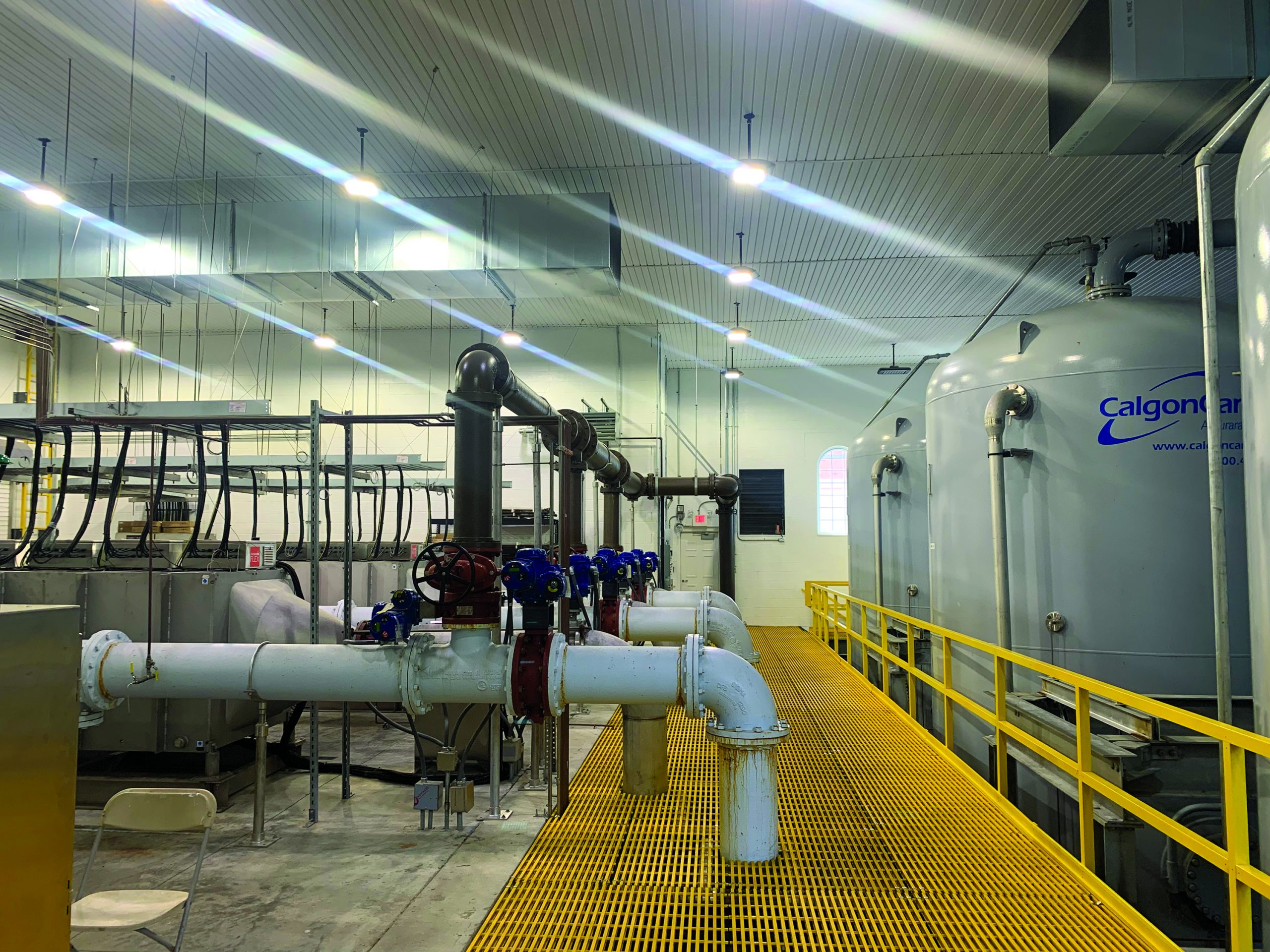
Conventional methods could not effectively degrade 1,4-dioxane. The firm’s approach – among the nation’s first full-scale applications of Advanced Oxidation Process (AOP) technology for drinking water – reduced the compound to nondetectable levels. The AOP system was integrated with the existing Packed Tower Aeration System (PTAS) and supported by Granular Activated Carbon (GAC) vessels to quench residual hydrogen peroxide and adsorb PFAS compounds. Other site improvements included a new treatment building, upgraded electrical systems, and dual 750-kilowatt standby generators.
Despite pandemic-related supply chain challenges and an expanded project scope, phased construction maintained uninterrupted service for residents and added resiliency and facility enhancements beyond the original proposal.
With an expected service life of 50 to 100 years, the Kirby Lane facility ensures high-quality, reliable drinking water for more than 58,000 residents and sets a new model for communities nationwide facing emerging contaminants.
The Kirby Lane facility piloted one of the first full-scale AOP systems in the United States for 1,4-dioxane removal, paired with GAC vessels for PFAS removal. Innovative features, including redundant treatment trains, nitrate blending, and complex valve design, delivered a resilient, cost-effective model now guiding water suppliers nationwide.
This project set a precedent for addressing emerging contaminants, proving AOP as an effective solution for 1,4-dioxane removal. By combining technical excellence with transparency and community engagement, it advanced the profession’s leadership role while building public trust in science-driven solutions to safeguard drinking water. The community appreciated the completion of all construction without service interruptions and with minimal disruption to the surrounding area.
The Kirby Lane facility safeguarded drinking water while minimizing costs through grant funding, nitrate monitoring, and energy-efficient design. By delivering long-term resilience, avoiding a full nitrate treatment plant, and ensuring uninterrupted service, the project exemplifies sustainable engineering that balances public health, fiscal responsibility, and environmental stewardship.
The project required managing multiple complex elements: new contaminant treatment, novel AOP technology, and integration of two existing wells, a PTAS, and a ground storage tank with redundant treatment trains and variable pressure zones. The firm worked with JWD to successfully coordinate pilot studies, regulatory approvals, intricate design, and phased construction to maintain uninterrupted service.
The client required upgrades to its water treatment system to address New York State mandates for emerging contaminants. The firm’s solution delivered one of the most advanced systems in the nation, ensuring water quality that consistently surpasses the strictest standards while providing long-term resilience, operational flexibility, and strengthened public confidence in JWD’s service.
Treatment of 1,4-Dioxane, PFOA and PFOS at Christopher Morley Park Wells 8, 9 & 11 Facility in Roslyn, New York for Port Washington Water District
When New York State set the nation’s first drinking water standard for 1,4-dioxane and strict limits for PFAS in 2020, Port Washington Water District (PWWD) acted quickly. Testing revealed the presence of these emerging contaminants at PWWD’s Morley Park Station, which provides more than half its supply. The District launched its “Do It for Port” water conservation campaign urging residents to reduce irrigation by 20 percent and adopt new water-saving measures to minimize reliance on the impacted wells during construction.
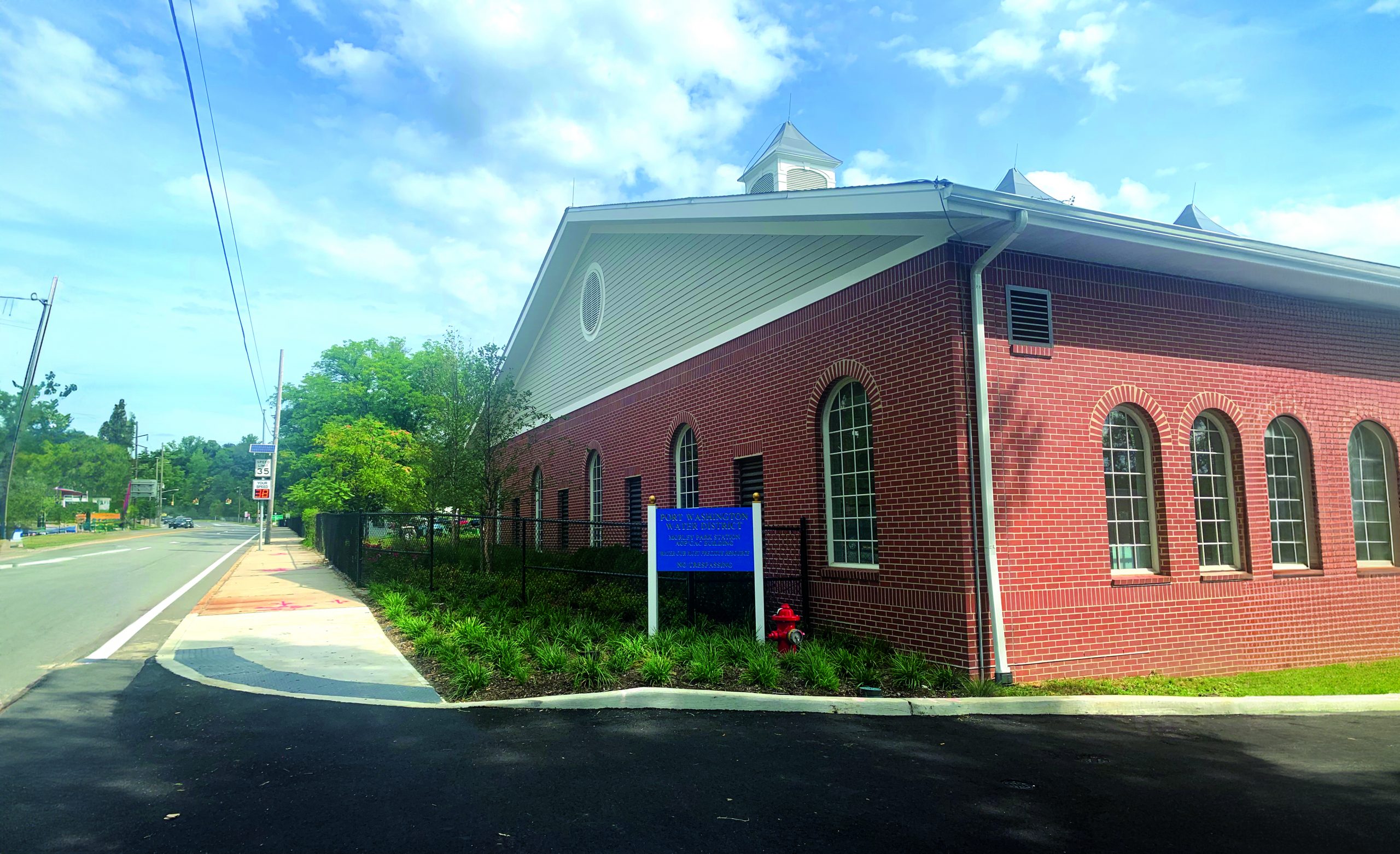
Partnering with engineers, PWWD developed a comprehensive capital program that included implementing a state-of-the-art Advanced Oxidation Process (AOP) system to remove 1,4-dioxane paired with granular activated carbon (GAC) vessels for PFAS treatment. Construction of the new building and AOP/GAC treatment plant – which reduced 1,4-dioxane and PFAS contaminants to nondetectable levels – was completed in April 2025, slightly delayed by supply chain issues. Despite this, the project came in under budget at $21,159,401.
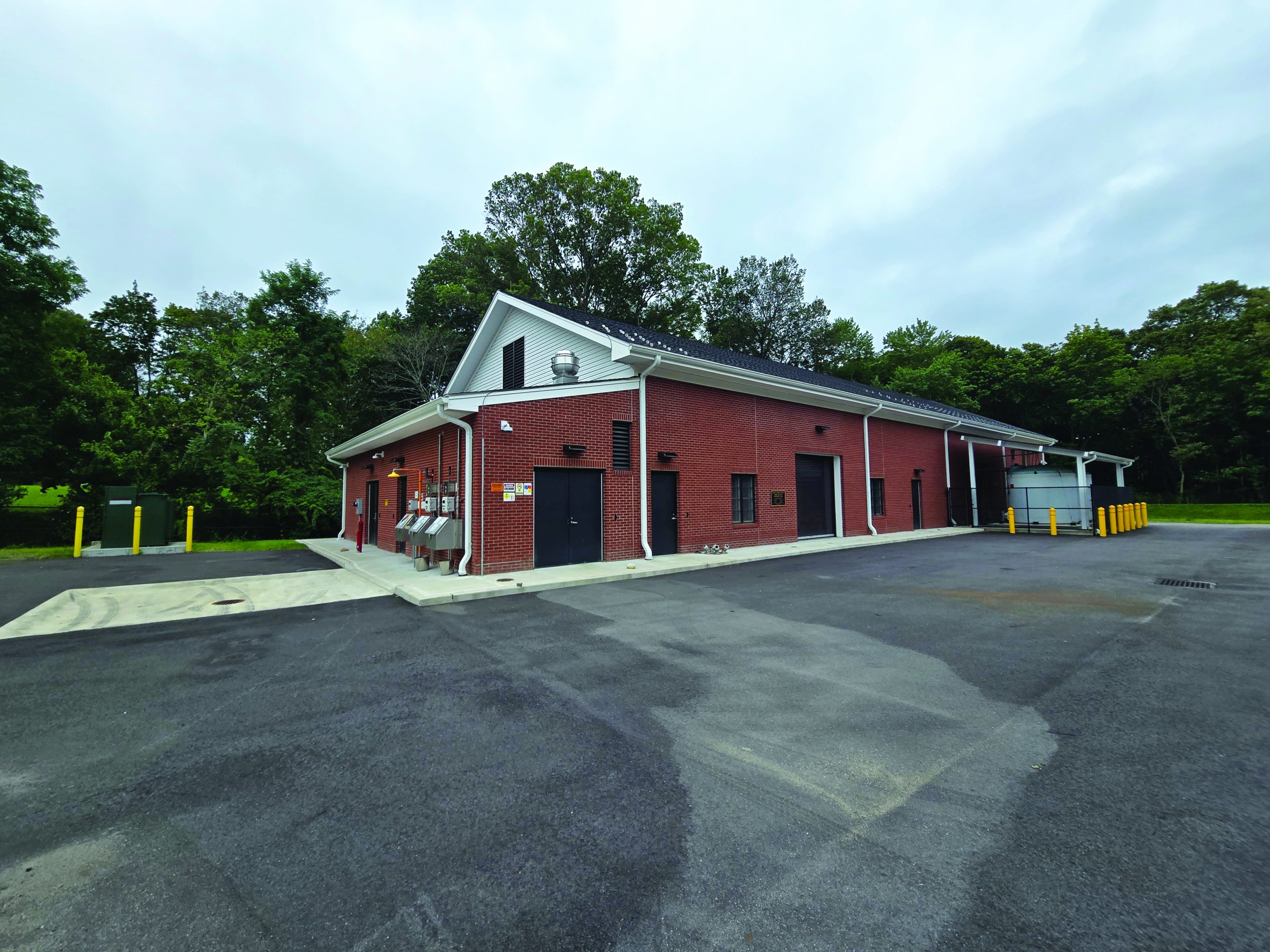
Blending seamlessly into the 98-acre county park, the new facility pairs advanced treatment, native landscaping, and timeless architecture to ensure a sustainable supply for decades to come. The project exemplifies engineering excellence, innovation, and transparency—establishing a model for utilities nationwide to address emerging contaminants.
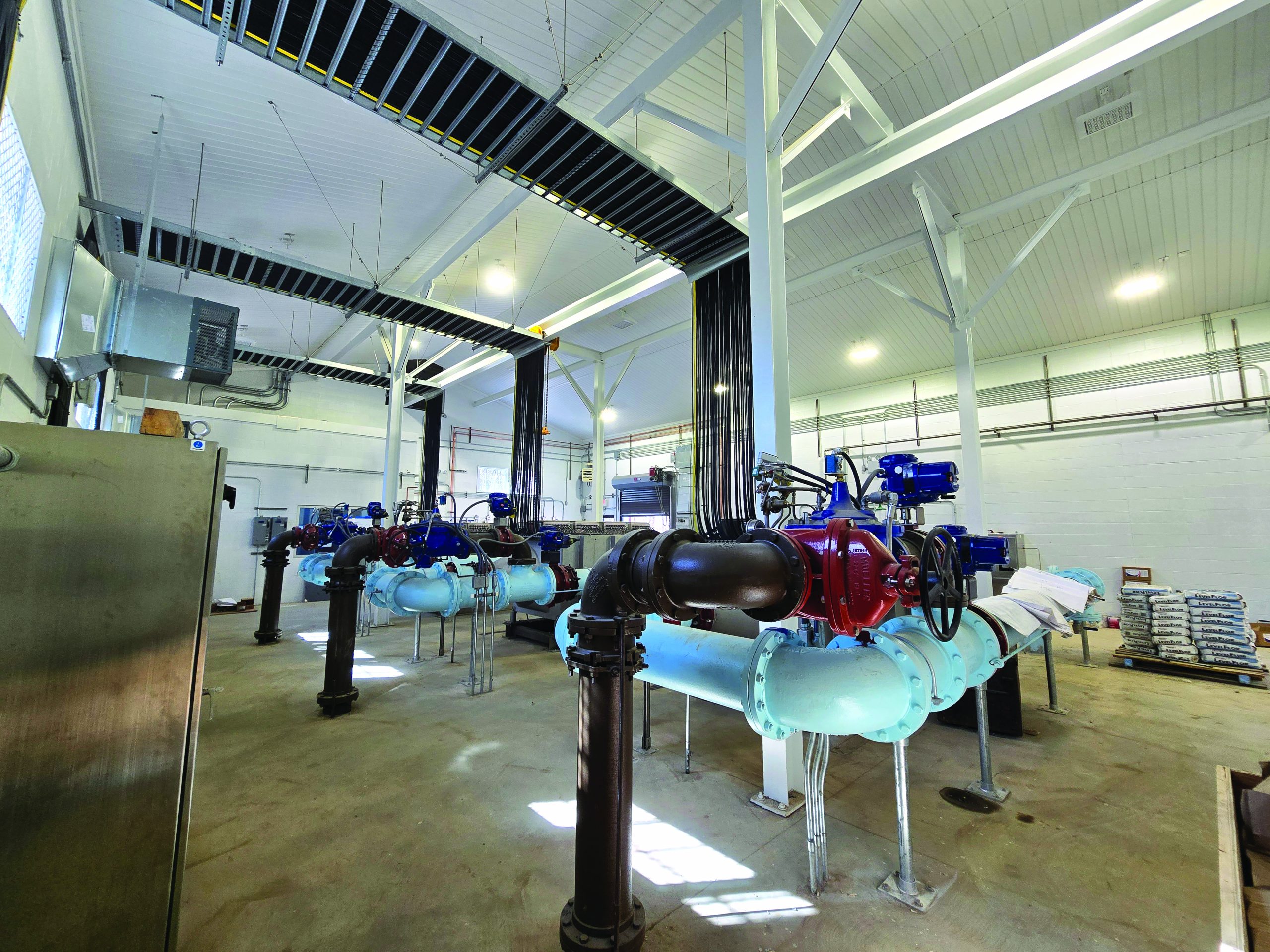
The project integrates a 6.02 million-gallon-per-day (MGD) AOP system—the only approved treatment for 1,4-dioxane—with GAC vessels and the existing packed tower aeration system. This innovative configuration simultaneously addresses multiple emerging contaminants, providing an innovative, sustainable treatment solution.
By delivering advanced treatment within a facility designed to blend into a county park, the project highlights how engineering solutions can protect public health while enhancing community spaces. This balance of innovation, sustainability, transparency, and sensitivity to surroundings elevates the profession and builds lasting public trust in science-driven infrastructure investments.
The project advanced sustainability on multiple fronts. Socially, PWWD engaged residents through its “Do It for Port” campaign, encouraging water conservation and fostering community ownership of resource protection. Economically, state grants were secured, and the facility was delivered under budget, reducing the financial burden on customers while ensuring long-term value. Environmentally, native landscaping supports local ecosystems, conserves water, and enhances the park setting.
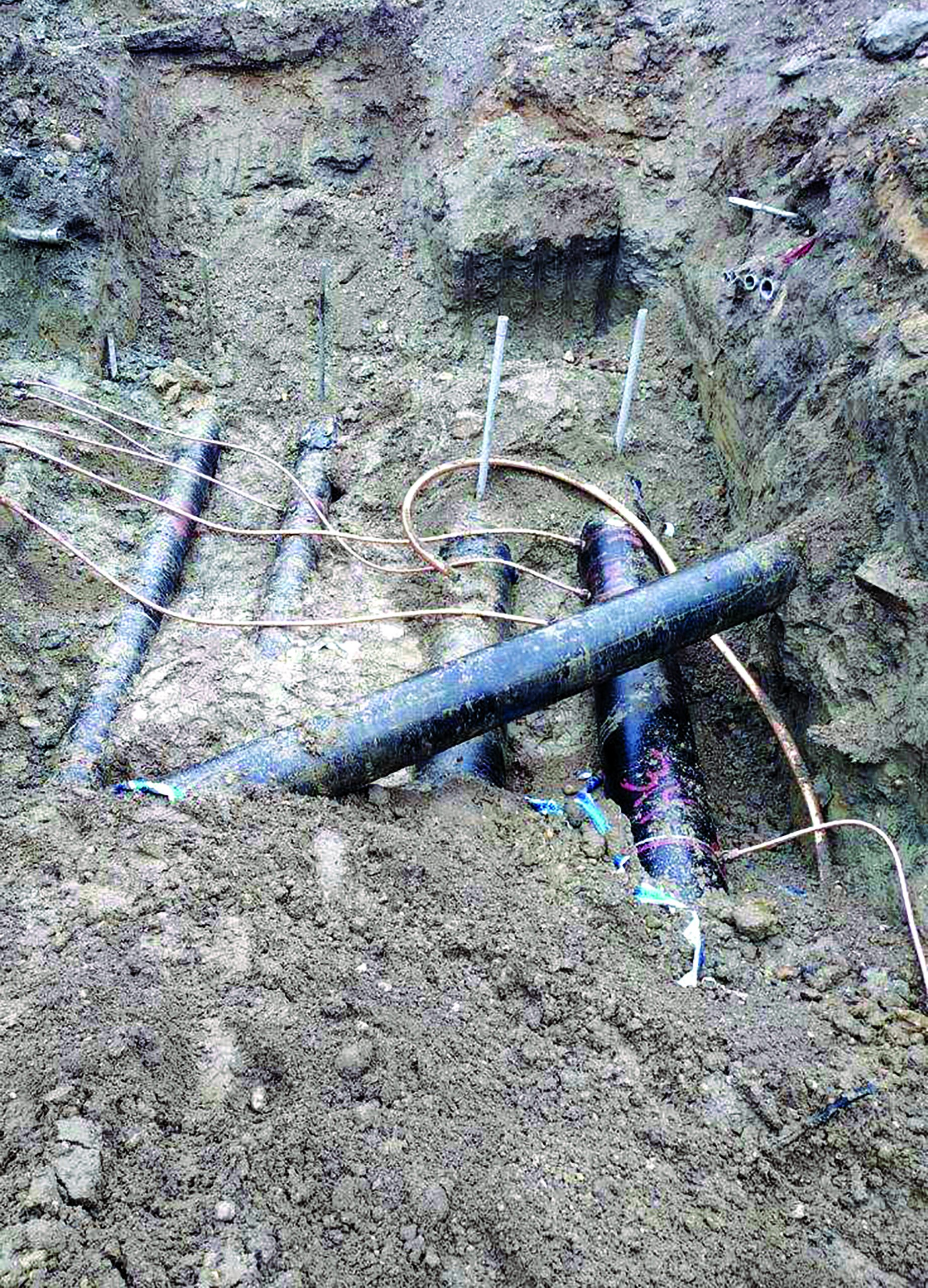
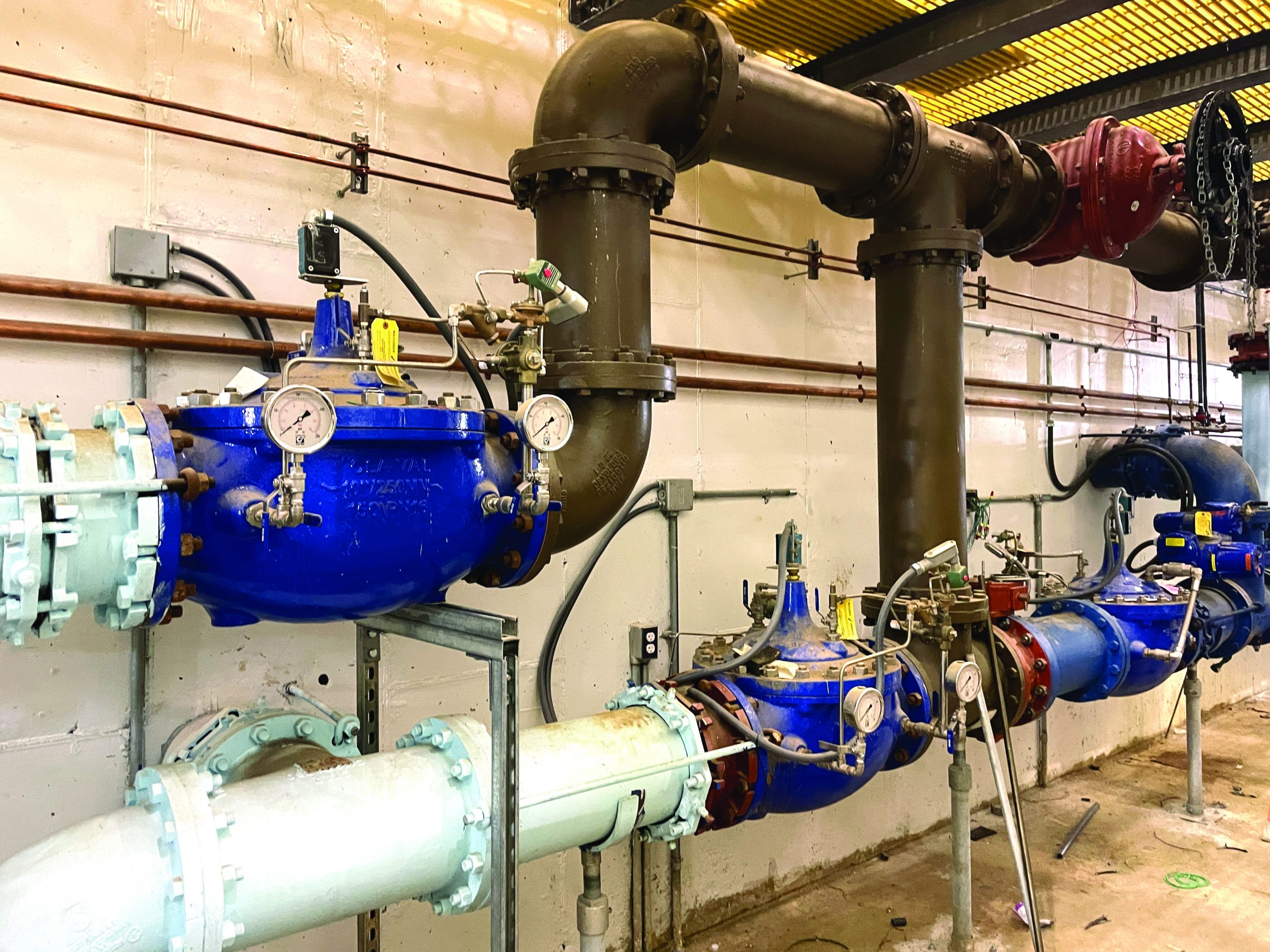
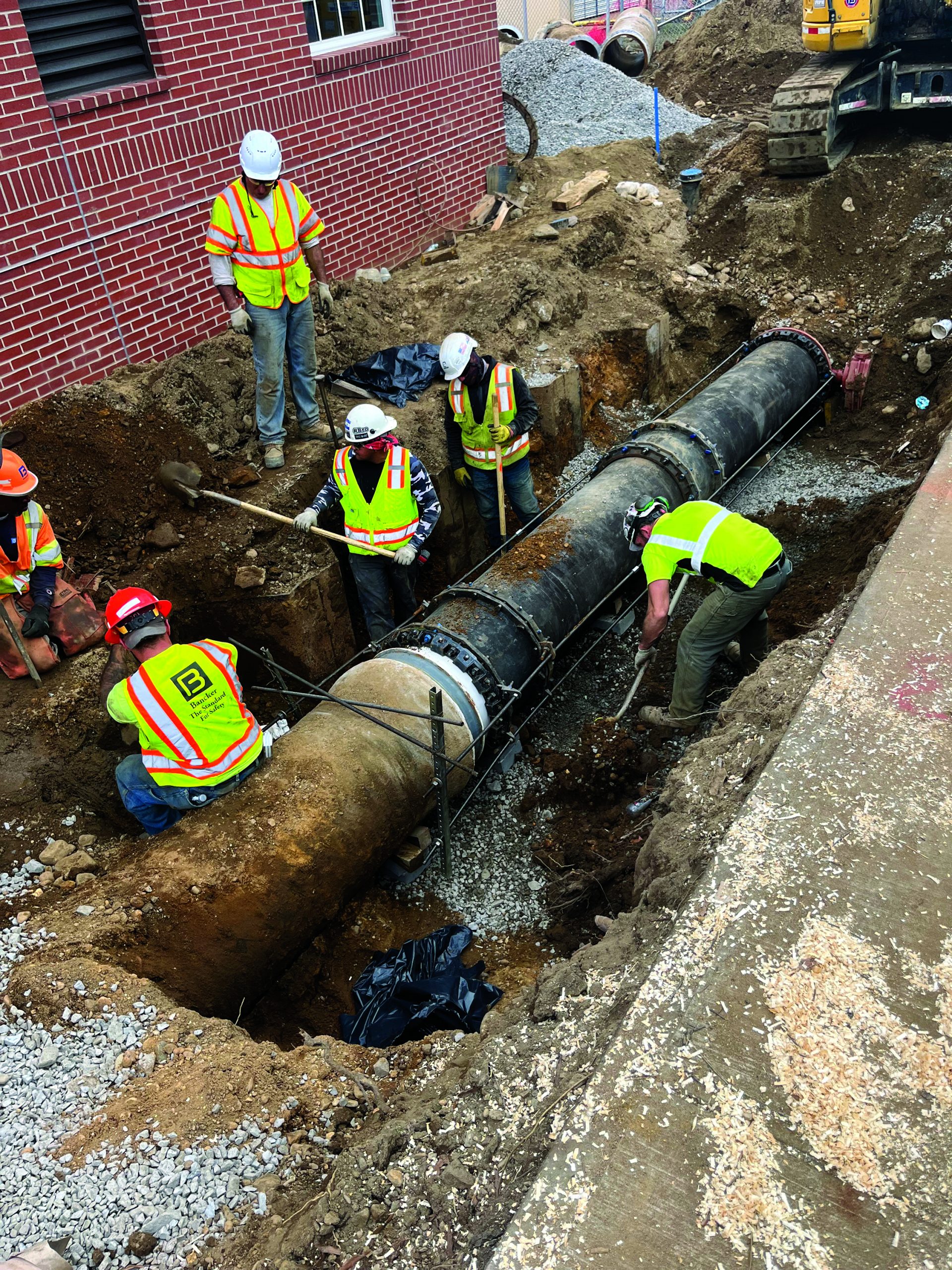
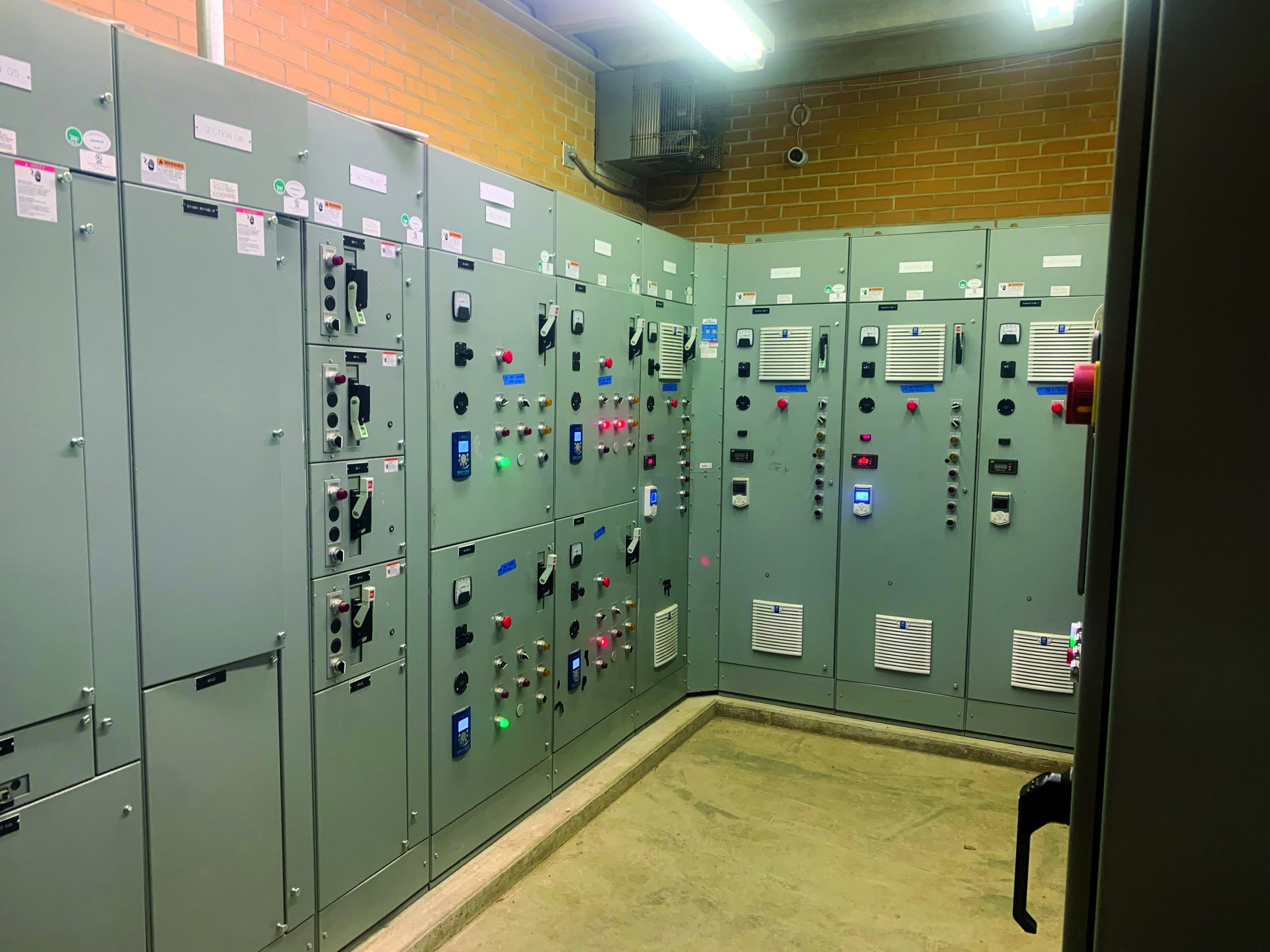
Construction required careful phasing and planned shutdowns to avoid disrupting water service. A key engineering challenge was fitting the multi-faceted treatment train into a constrained site on county parkland. The project involved complex upgrades to the site’s piping network to integrate the new AOP/GAC building with the three current wells and packed tower aeration systems, and advanced monitoring, automation, and redundancies for reliable operation.
PWWD needed a treatment system to comply with new state mandates for emerging contaminants. The final solution went further: an innovative AOP/GAC system that not only meets but consistently surpasses the nation’s most stringent water quality standards. By delivering the facility under budget, integrating sustainable landscaping into a public park, and incorporating resiliency and flexibility for future regulations, the project exceeded PWWD’s expectations. It provides a high-quality water supply, enhances community trust, and positions PWWD as a leader in proactively safeguarding public health.
Contact Us